Accessible quantum photonics
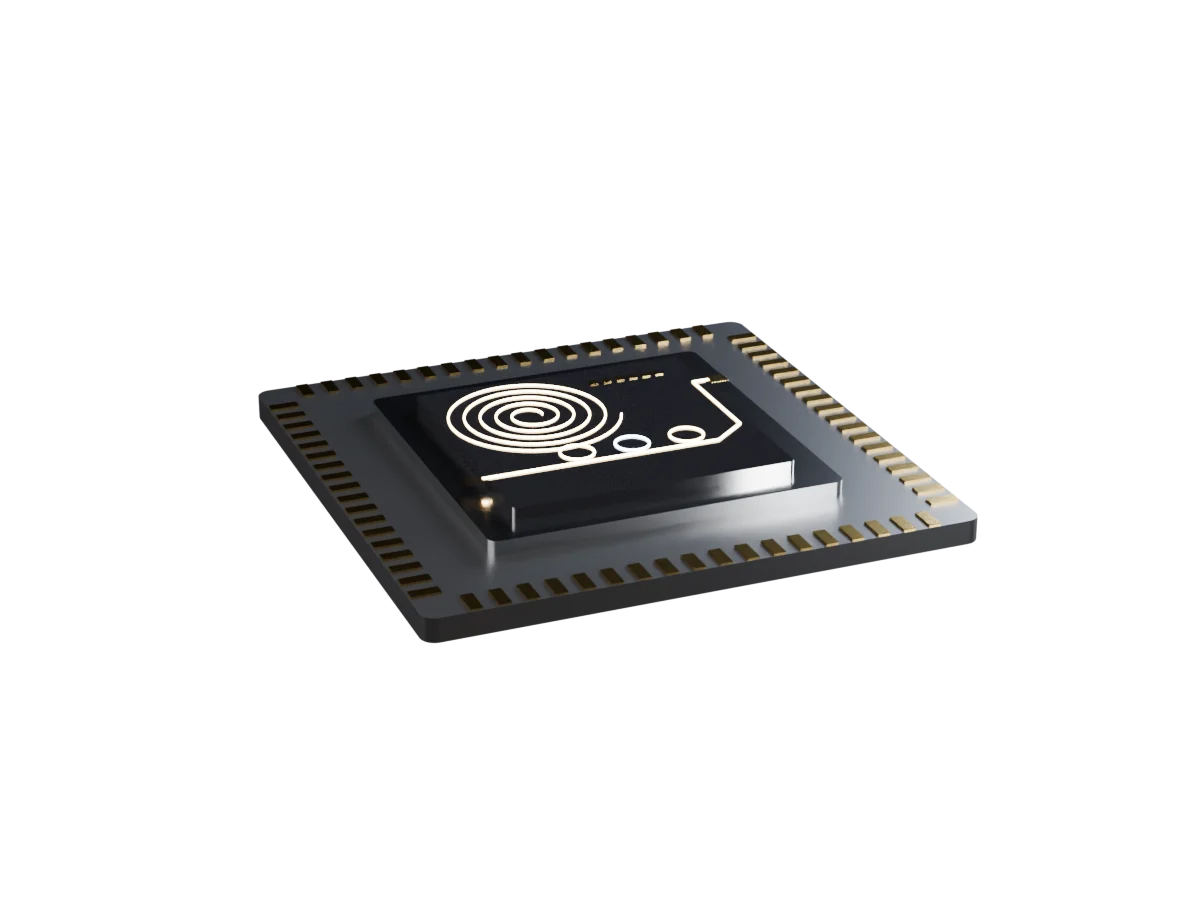
A room-temperature, chip-scale photonic quantum computer. Room temperature is the whole argument: it is what removes the cryogenics, and the cryogenics are what keep quantum computing inside national laboratories.
SoftwareAI advertisingDigital humansQuantum research
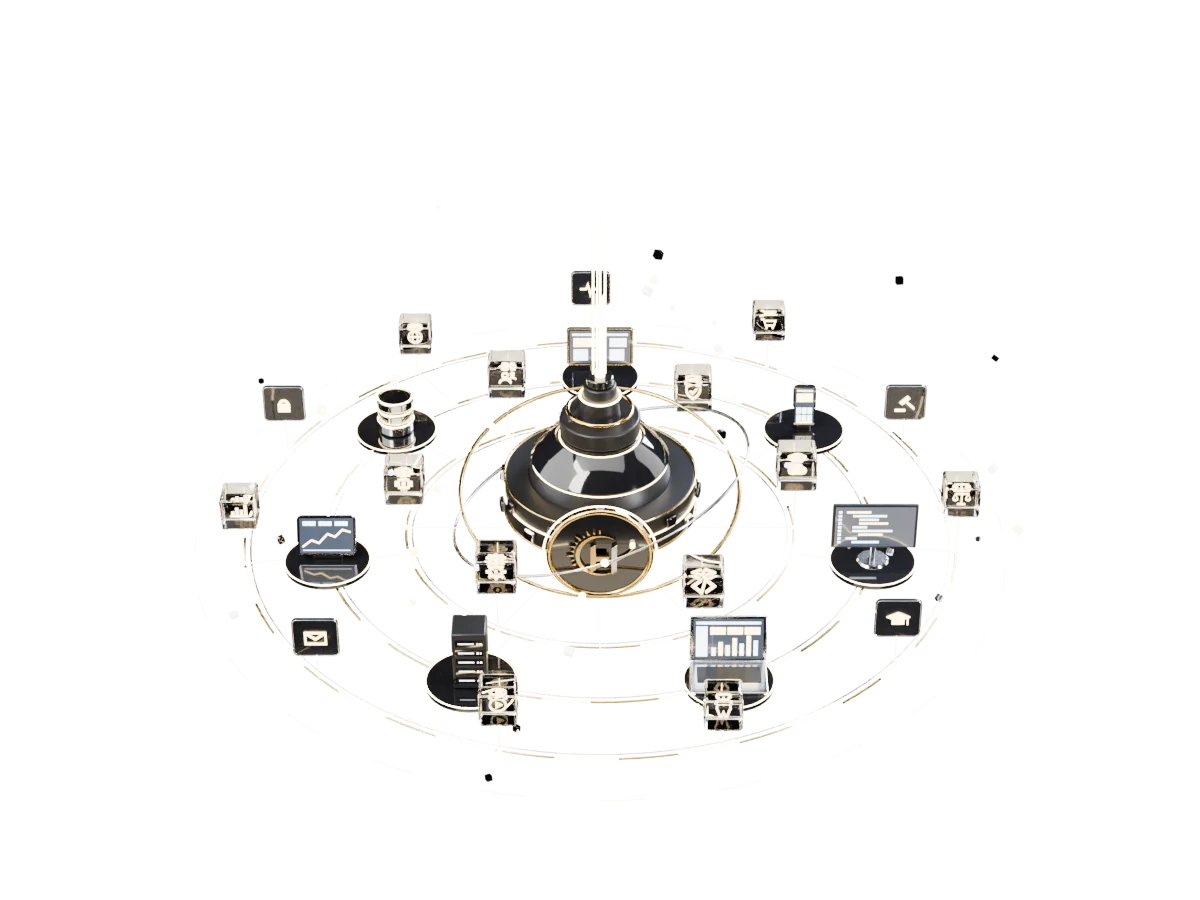
Heliosync Technologies builds software for any industry that needs it, an AI studio that makes advertising without a marketing team, and a digital human meant to persist — and researches the computing that the next generation of intelligence may turn out to need.
Who we are
Heliosync Technologies was incorporated in 2026 to build intelligent software properly — as products with an architecture, not as demos with a deadline — and to run the kind of long research a software company is not expected to attempt.
We work across four pillars that feed each other: enterprise software and SaaS, the StudioNoir advertising studio, the Shanaya digital human, and quantum photonic and neuromorphic research. The products fund and prove the AI; the studio is the first commercial use of a digital human; the digital human raises a question about computing that the research pillar exists to investigate. The same standards and the same people move between all four.
We are early, and we say so. What we will not do is describe an ambition in the present tense.
Four lines of work · one system
What we do
Each pillar starts from something broken or missing today. They are not four businesses that happen to share an office — each one feeds the next, and the chain is the reason all four exist.
Business software is expensive, rigid and built for a generic workflow — and in most sectors a good part of the operation never leaves paper.
Software, SaaS platforms, AI systems and automation for any sector where technology solves a real problem: education, healthcare, defence, legal, finance, manufacturing, government, logistics, agriculture and more. Built for the problem, not for one industry.
A campaign takes a marketing team, a copywriter, a designer, an editor and an influencer — and an influencer spends days producing a single one.
An AI advertising studio: give it a product image or a URL, choose the platform, objective and style, and it generates the campaign. Brands run it without a marketing team; influencers and celebrities licence their approved likeness and earn royalties on the result.
Digital characters are chatbots with a face — no memory between sessions, no identity that persists, nothing that could be called a self.
A persistent digital entity rather than an avatar: foundation model plus memory, identity, world model, agency, tools and learning. The long research question behind it is whether artificial intelligence can move toward artificial cognition.
If cognition is the goal, nobody knows whether scaling today’s AI architecture is enough — or whether it is the wrong substrate entirely.
Quantum photonics and quantum neuromorphic computing, researched as candidate architectures for what conventional hardware may not reach. Brain-inspired on one side, a different computational paradigm on the other. A hypothesis under investigation, not a result.
How they connect
The products pay for the research and prove the AI in real deployments, where it either works or visibly does not.
Advertising is the first commercial use of a digital human — an application of the work, not the reason for it.
A persistent entity runs into a hardware question: cognition may need an architecture conventional computing does not offer.
Quantum photonics and neuromorphic computing are researched as candidate substrates for exactly that ceiling.
Build useful technology today, use AI to widen what it can do, create persistent digital entities — and research the computing that the next generation of intelligence may turn out to need.
What we are building
Three software products in development across healthcare, education and retail. Each card says where it actually stands.
Healthcare
LiveA management system for dental practice — appointments, treatment records, billing and inventory in one clinical workflow. Being implemented with a dental clinic, and available to deploy now.
Learn moreEducation
LiveA unified digital layer for an entire school rather than a back-office system: student records, academics, examinations, finance, transport, communication and the school's own public website, connected end to end. Deployable now, with a live demo.
Learn moreCommerce
In developmentPoint of sale and inventory for independent retail, designed to keep working when the connection does not.
Learn moreWhere we came from
An AI advertising studio — and the practice Heliosync grew out of. It is also the first commercial use of the digital-human work.
The problem
A campaign runs brand → marketing team → copywriter → designer → video editor → influencer → revisions. It is expensive, slow, and out of reach without a marketing team — and on the other side, an influencer spends days producing a single sponsored post.
What we are building
Give it a product image or a URL. Choose where the ad will run, the platform and format, the campaign objective, the creative style and the audience. StudioNoir handles the creative work and returns the campaign and its assets — no marketing team, and no knowing how to prompt a model.
Then the influencer layer: a brand can publish it, or run it with a digital personality such as Shanaya — or with a real influencer or celebrity, whose approved likeness is licensed with their authorisation and who earns a royalty on the commercial use. Approve, generate, publish, earn: reviewing a script instead of spending a week filming one.
StudioNoir was working in generative media and digital humans before Heliosync was incorporated. It still is, as its own brand with its own creative direction. Heliosync is what the engineering half of that practice became.
That lineage is the honest answer to how a company registered in 2026 has real work behind it: the company is new, the practice is not.
AI Media Studio
Research
The aim is a quantum processing unit you would fit to a machine the way a CPU or a GPU already is. Research here is separate from the product roadmap on purpose — it is allowed to fail, allowed to take years, and not required to ship. Two programmes, both long-horizon, neither with a paper published yet.
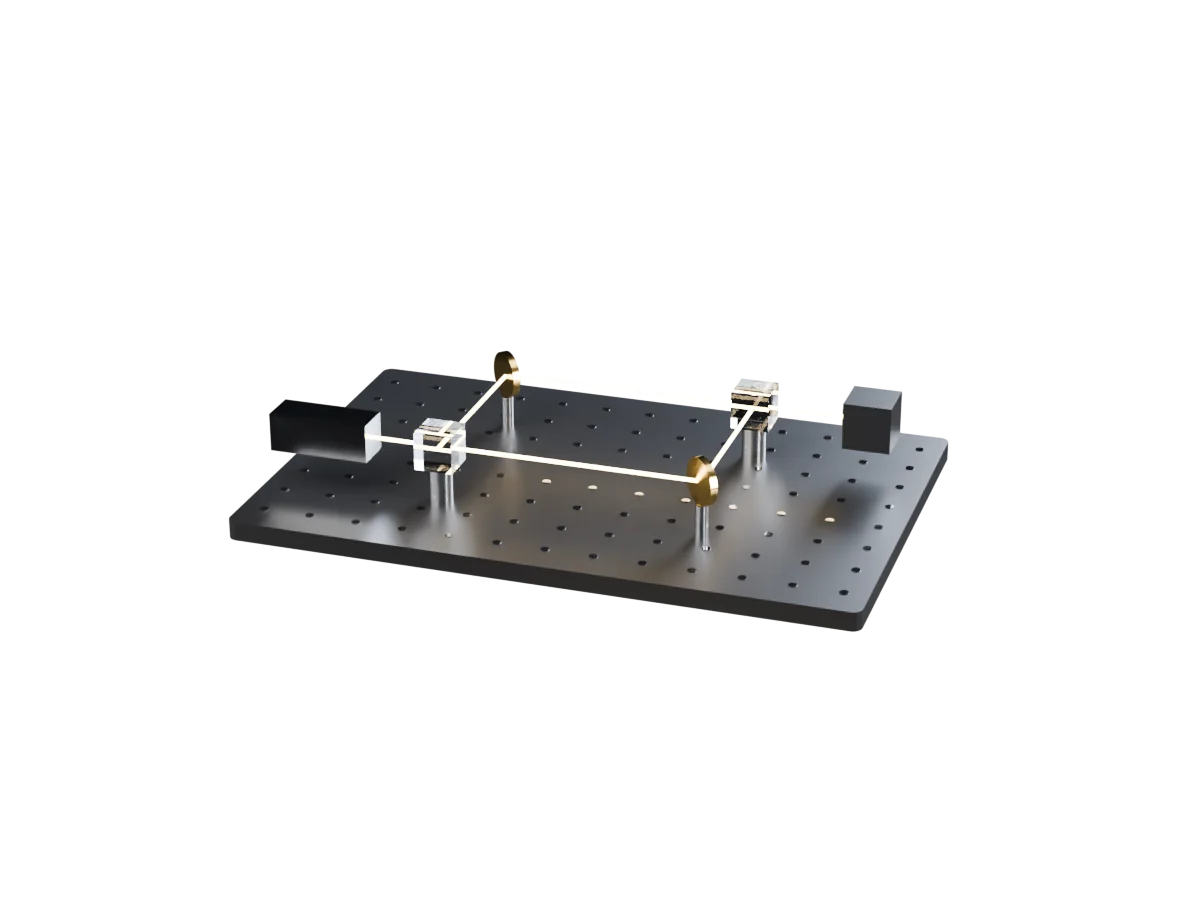
A room-temperature, chip-scale photonic quantum computer. Room temperature is the whole argument: it is what removes the cryogenics, and the cryogenics are what keep quantum computing inside national laboratories.
What makes a digital human read as present rather than rendered, and what it takes for one to operate safely on its own. Mostly a problem of timing, consistency and trust rather than of graphics.
How we build
We would rather be judged on how we work than on numbers we cannot yet support.
A system that is right and boring beats one that is impressive and occasionally wrong. Cleverness is spent on the problem, not on the solution.
Every product is written to be understood by whoever inherits it, including us in two years. Types, tests and the reasoning behind a decision are part of the deliverable.
Work that is exploratory is labelled exploratory. We would rather say "we do not know yet" than describe an ambition in the present tense.
Contrast, focus order, reduced motion and keyboard operation are requirements at design time. Retrofitting access is how it ends up partial.
From the design tokens to the deployment. Understanding every layer is what makes it possible to fix a problem rather than route around it.
Work with us
Partnerships, research collaboration, investment, or a role on the team — the door is the same one.